Solo
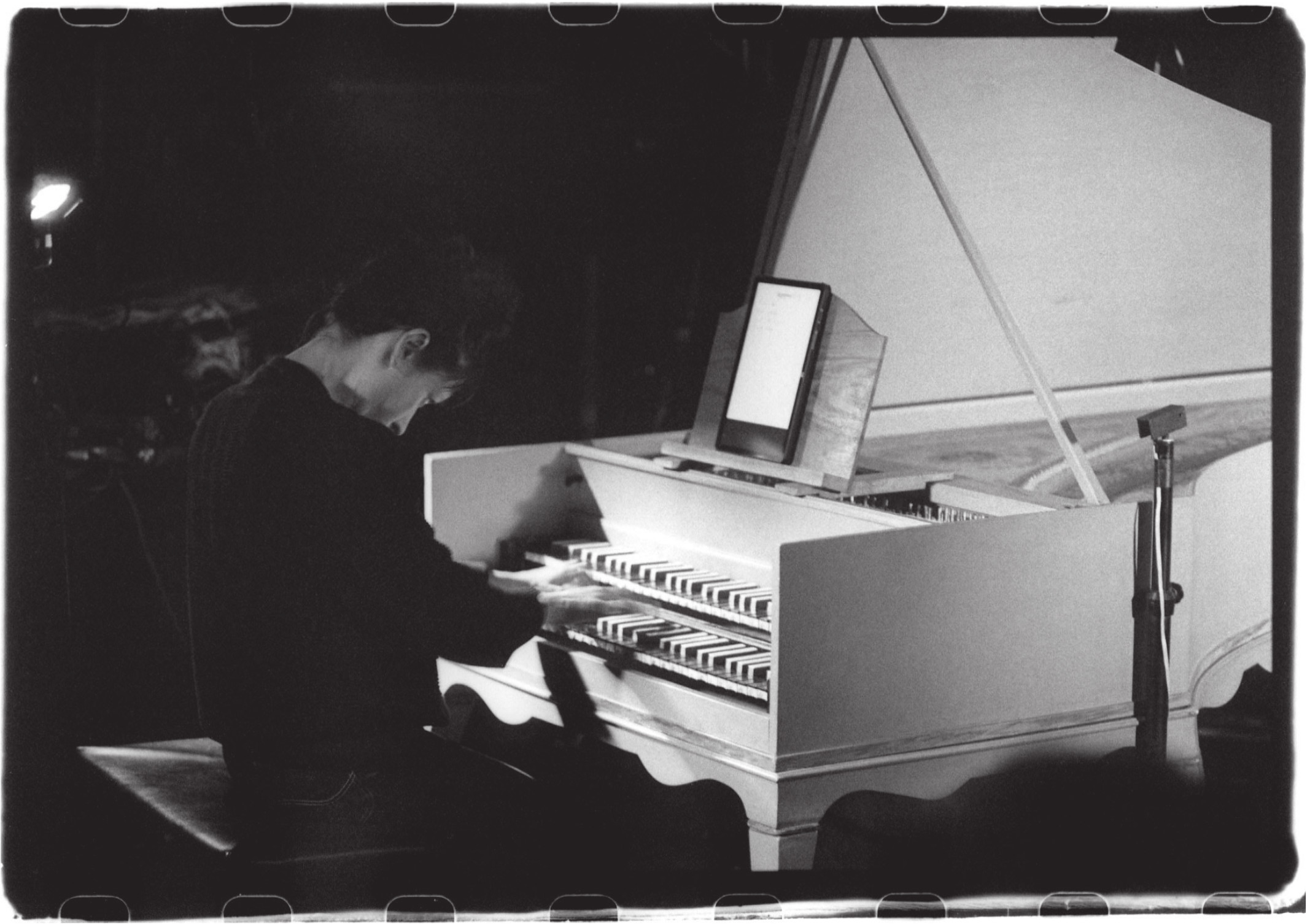
Tombée
Jean-Luc Guionnet, composition — Barbara Dang, harpsichord
Tombée is a work for double-manual harpsichord conceived as a digital and sonic labyrinth, where the instrument becomes an architecture to be explored. Combining equal temperament with an invented tuning, it transforms instrumental gesture into both a musical and tactile journey. Drawing on baroque forms and experimental practices, the piece reinvents the dance suite through contrasts and disorientation. Each performance is unique and inevitably leads to the final dance, Tombée, an abstract homage to the musical “tombeau” tradition.
Duos, Trios and more
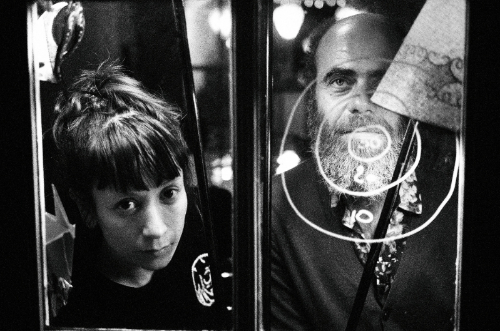
Soy Tierra
Borja Flames, voice, tar, objects, Barbara Dang, prepared piano
The Spanish composer and singer Borja Flames and the pianist and improviser Barbara Dang met during a tribute to Moondog. From this encounter, Soy Tierra was born, a project exploring contemporary South American and Spanish poems.
Borja Flames blends singing inspired by Iberian traditions with spoken-word, while Barbara Dang experiments with a piano enriched by various sound elements (stone, metal, wood...). Together, they weave a sonic universe between introspection, the cosmos, and human relationships.
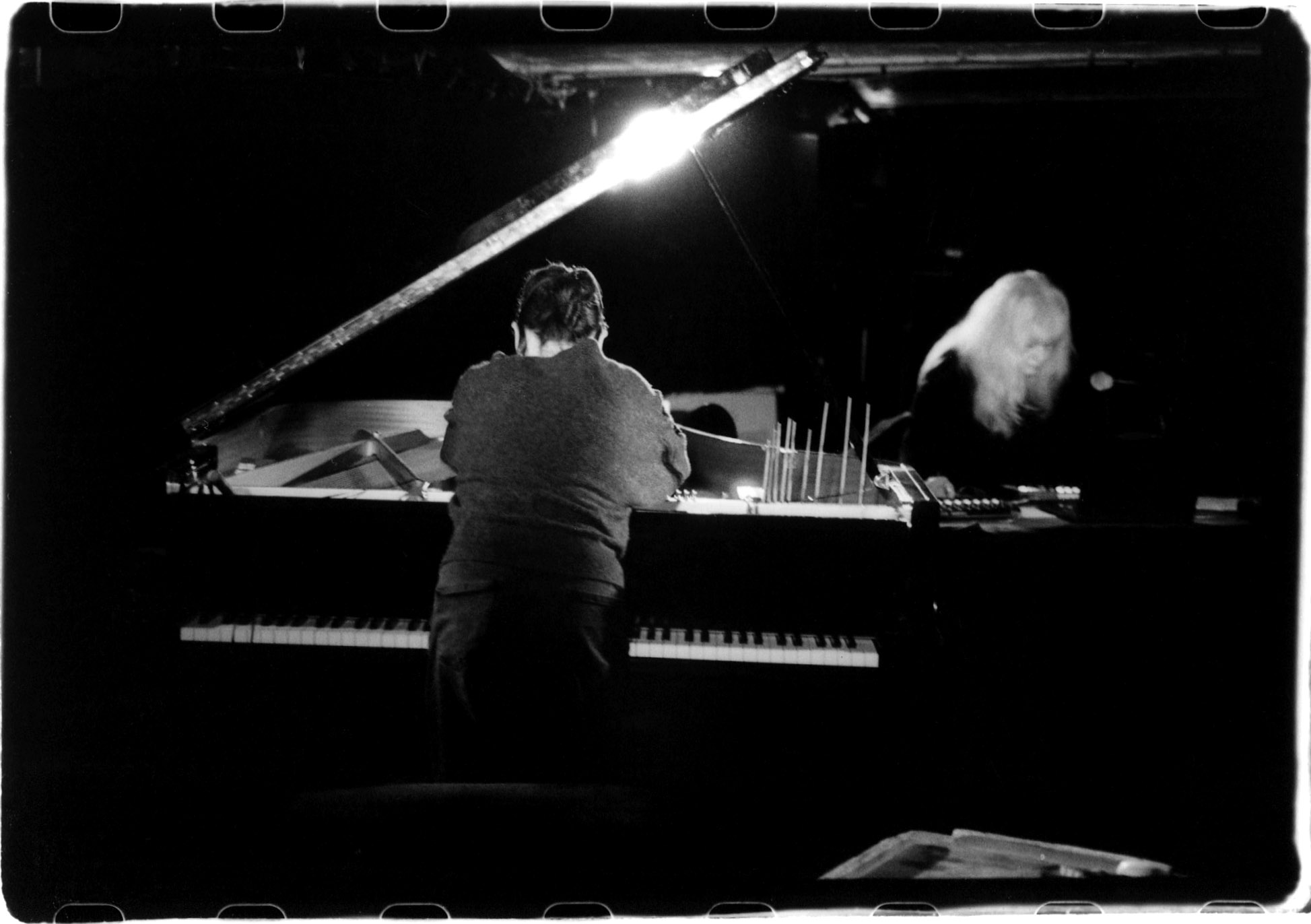
Are We Here ?
Marjorie Van Halteren, composition, field recordings, electronics, voice, Barbara Dang, prepared piano, objects, gestures
"Are We Here?" is the title of the first performance piece produced by Barbara Dang and Marjorie Van Halteren, using field recordings, acoustic sound, prepared piano and electronics, developed through a graphic score. The duo wishes to move forward with the techniques, and share along the way.
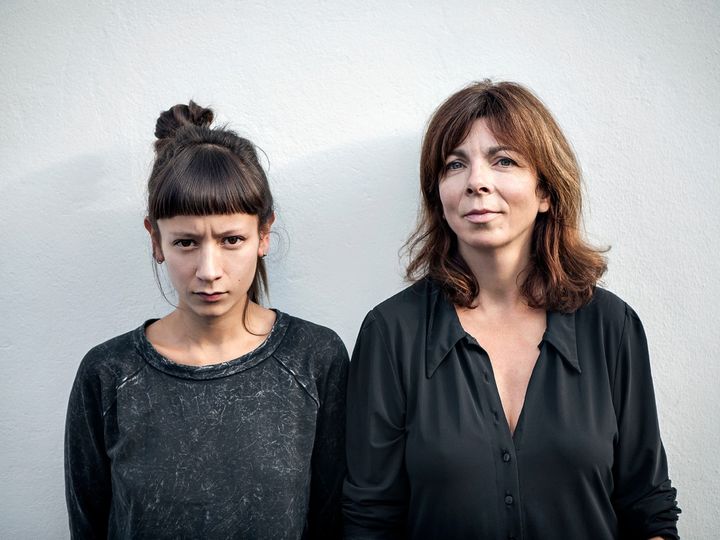
AGNel/DANg
Sophie Agnel, Barbara Dang, four-hand piano
Sophie Agnel and Barbara Dang, through extended piano techniques and string playing, combine free improvisation with written compositions. After their 2016 meeting with Tom Johnson's Symmetries, they present a four-hand program, blending works by Pärt, Feldman, Bley, Mompou, and improvisation.
Dang/Romary
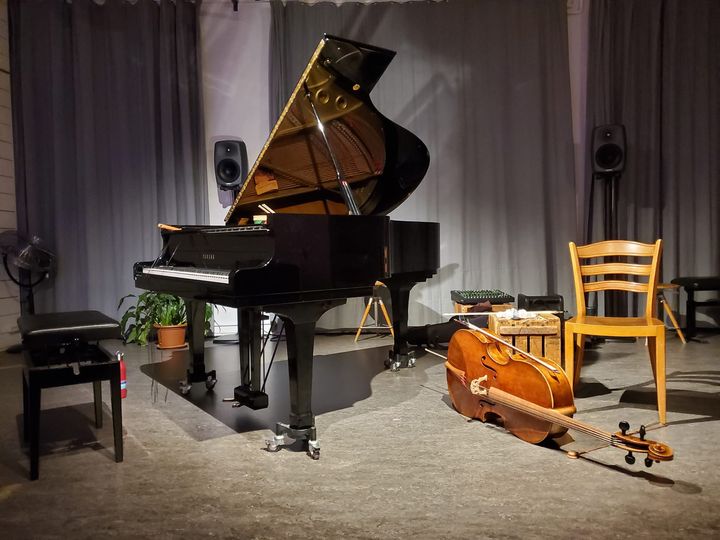
Barbara Dang, piano, Aude Romary, cello
Aude Romary and Barbara Dang pursue an experimental musical approach, blending free improvisation, minimal music, and contemporary composition. In this cello-piano duo, they explore the limits of their instruments to create an improvised score that is both noisy and sensitive.
ARIO
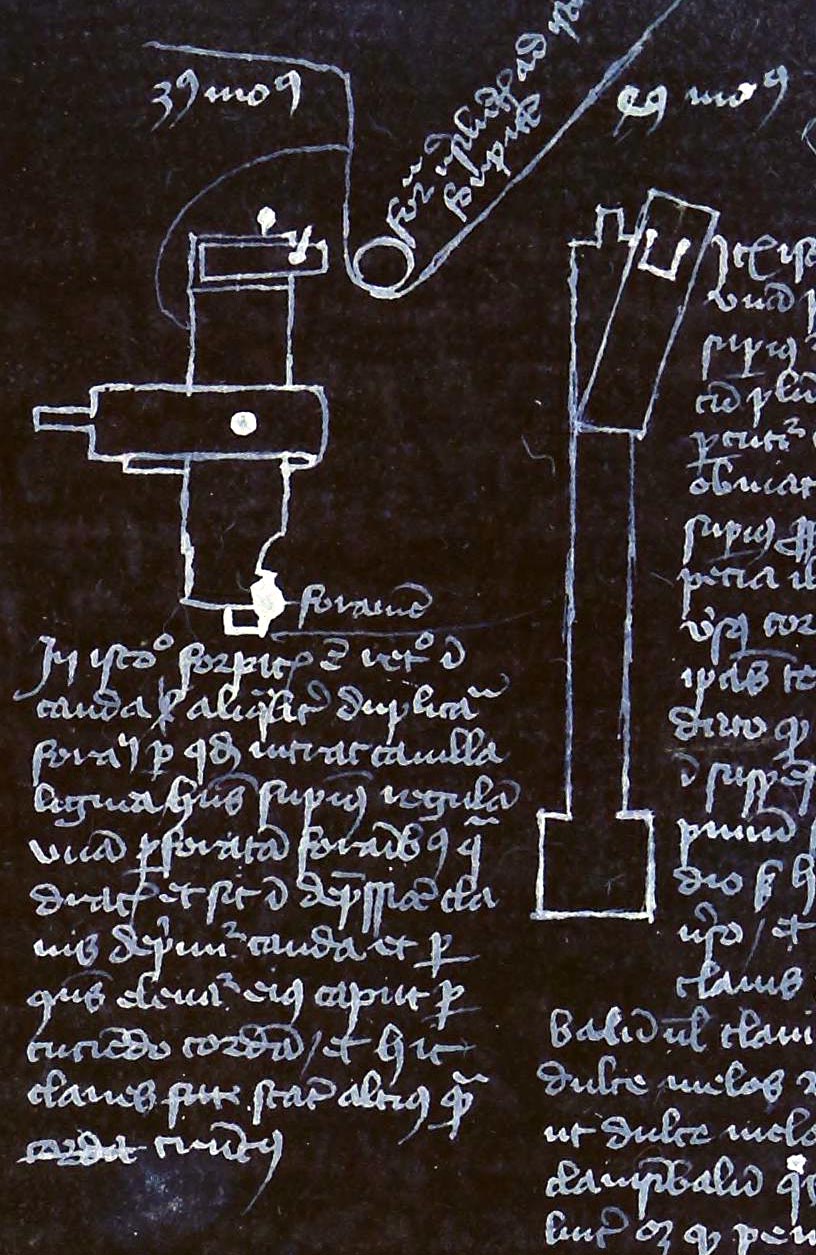
David Boinnard, instrument maker, mechanized virginal, video, voice, typewriter... Barbara Dang, harpsichord, Gordon Pym reading, sound diffusion.
ARIO for hARpsIchOrd is a subtle tribute to Cage’s HPSCHD, exploring the instrument in an original way, beyond strict Baroque interpretations.
Deux( )
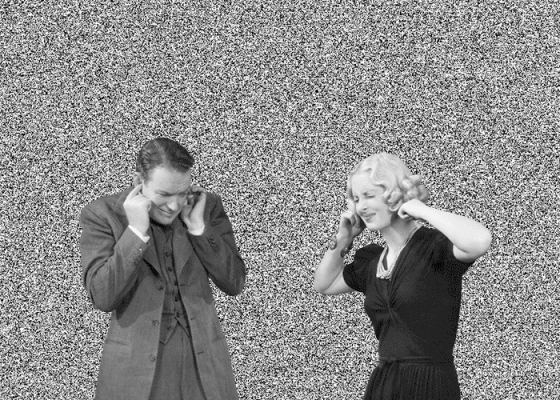
Gordon Pym, objects, electronics, Barbara Dang, piano, objects, electronics
Project focused on experimental music and environmental sounds, combining solo and duo improvisations.
KEZN
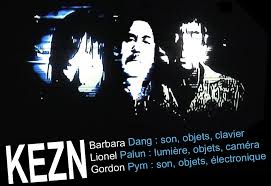
The Kezn project aims to revisit notable compositional processes in experimental music and derive a visual equivalent. The goal is not to provide images for music or to visualize musical effects, but to treat sound and light through a unique process. The constraints of each medium and our senses shape the contours of this analogy.
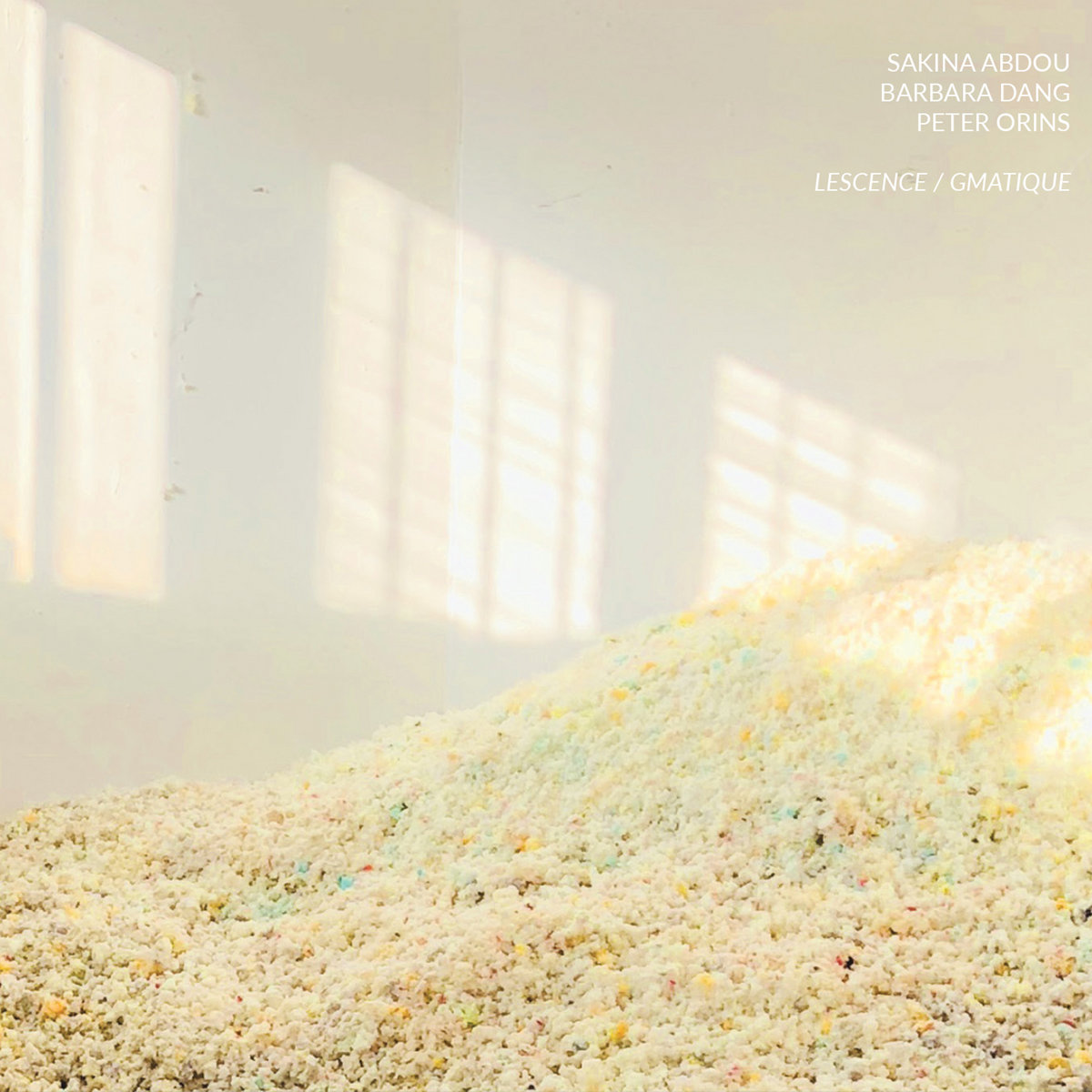
Abdou/Dang/Orins
Sakina Abdou, saxophones, flute, Barbara Dang, piano, Peter Orins, drums
A trio. A saxophone. A piano. A drum kit. Notes. Noise. Maybe melodies. Definitely repetitive. Altered instruments. Pure sounds. Reversed timbres. Depth, backgrounds. Maybe some foreground too. Minimal. But full. Organic, humid, alive. Suspended, tense, delicate. Time stops, yet continues. Sakina Abdou, Barbara Dang, and Peter Orins use minimalist techniques and very low volumes to explore the timbres and extended techniques of their instruments.
Jacqueline
Barbara Dang, piano, Mimosa, guitar, lap steel, Anne Sortino, violin
A refreshing musical cocktail mixing white wine, grenadine, and lemonade, with improvised proportions.
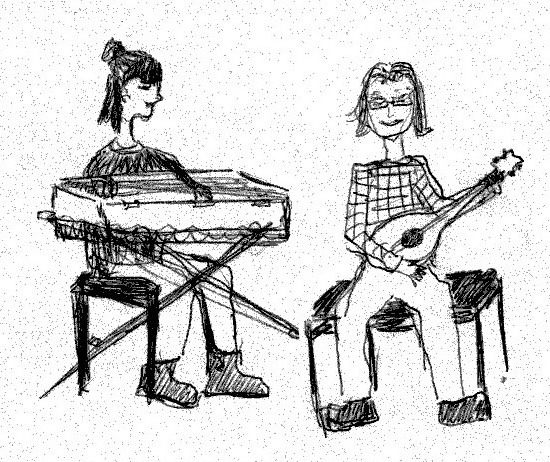
DAN/GO
Barbara Dang, piano, virginal, Raphaël Godeau, guitar, mandolin
DAN / GO is a piano-guitar duo. The music is improvised. The piano is open, and the guitar has six strings. Together, they create a blend of resonances that smell of wood and metal heated by hand
DEAD DEAD GANG
Barbara Dang,piano, Maryline Pruvost, voice, Indian harmonium, Gordon Pym, electronics, Peter Orins : drums
Dead Dead Gang, a project by drummer Peter Orins, is inspired by Alan Moore’s monumental novel Jerusalem. The book explores a city over 2,000 years, blending overlapping spaces and times with ghostly presences. The music reflects this richness: texts, instructions, temporalities, and geographies from the novel intertwine. An open composition mixing minimalism with sacred and popular influences, offering interpretive freedom, ethereal atmospheres, unusual harmonies, rhythms, and silences, creating a ghostly sonic universe.

Limules
Barbara Dang, Eric Normand, Peter Orins, Xavier Charles, Anne-F Jacques
Like its namesake, Limules embodies a form of morphological persistence. While the horseshoe crab has existed for over 50 million years, subtle molecular shifts continue to transform the living organism. Formed in 2022 from a shared desire for cross-border improvisation, the ensemble brings together musicians deeply engaged with contemporary musical languages. The group explores free improvisation through the interplay of permanence and transformation, stability and unpredictability, shaping evolving and attentive sonic forms.
Ensembles & Collectives
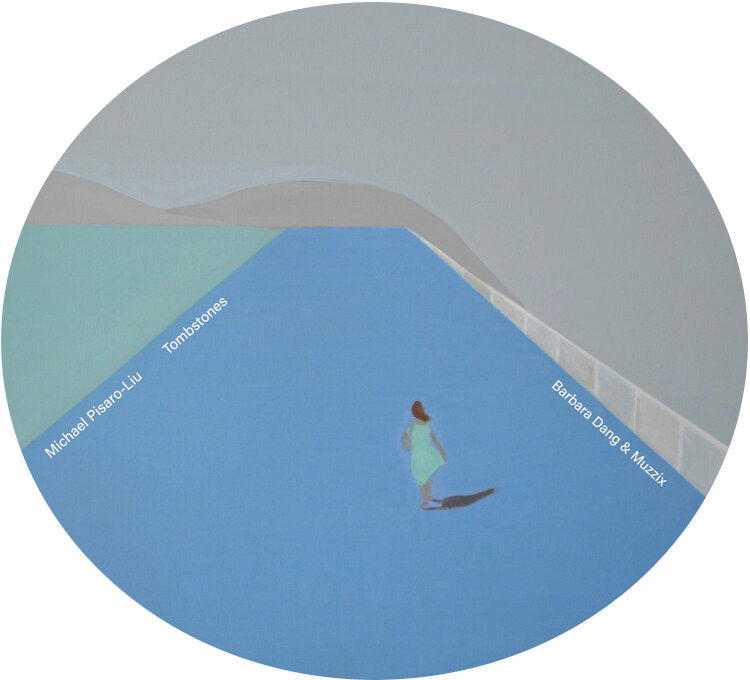
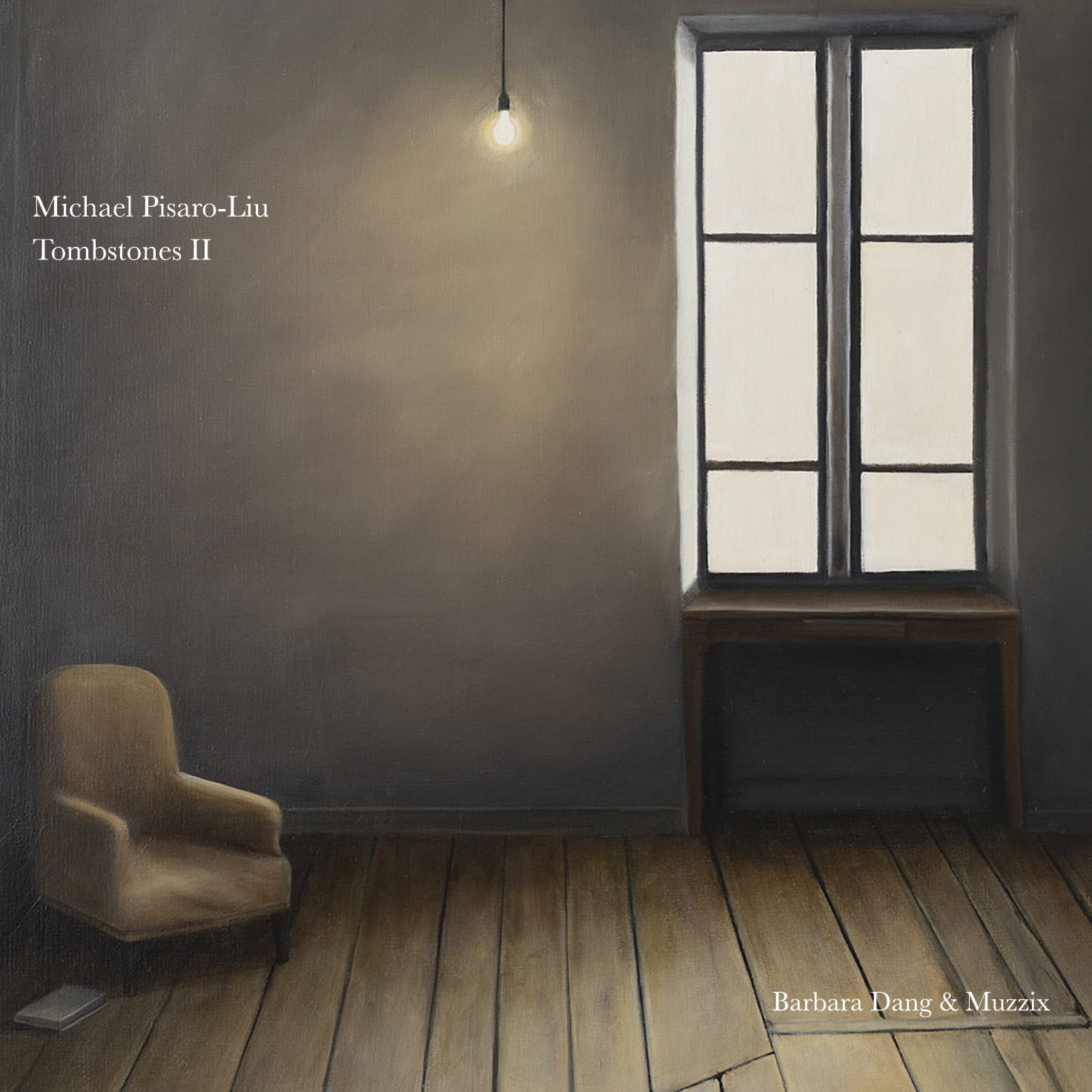
Tombstones
Yoann Bellefont, double bass, Ivann Cruz, guitar, vocals, spoken voice, Barbara Dang, artistic direction, piano, vocals, cymbals, Raphaël Godeau, guitar, whispering, Peter Orins, drums, spoken voice, book dropping, Christian Pruvost, trumpet, vocals, Maryline Pruvost, vocals, spoken voice, hand claps
Tombstones is a cycle of twenty songs by Michael Pisaro-Liu, blending experimentation, silence, and pop influences. The first volume, recorded in 2020 by Barbara Dang and six musicians, explores eleven pieces with nuanced, open interpretations. Tombstones II (2024) completes the cycle, expanding timbres and making silence a central element. The albums offer a poetic, attentive listening experience, with performance, duration, and instrumentation open to variation.
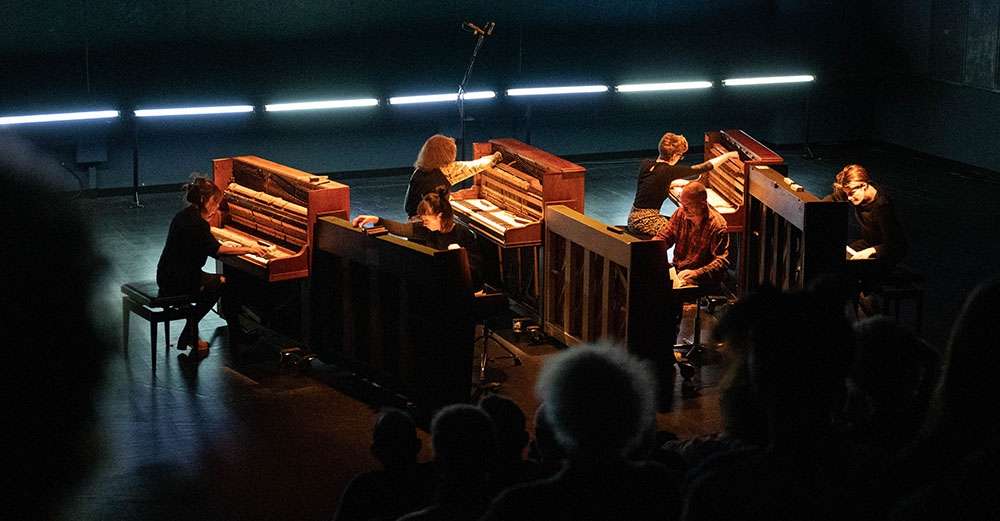
Pianoïse
Emmanuel Lalande concept, Sophie Agnel, Barbara Dang, Félicie Bazelaire, Betty Hovette, Nicolas Lelièvre, Arnaud Le Mindu pianists
A proposition by Emmanuel Lalande for 6 pianists, 6 pianos, 1,400 strings, 1 tuner, and 1 theater stage. A daring attempt to transform the king of chromatic instruments into a cacophonous machine. For this occasion, the pianos will be tuned in such a way that no string is tuned the same. When all pianos are played together, the sound should resemble white noise or something close to it.
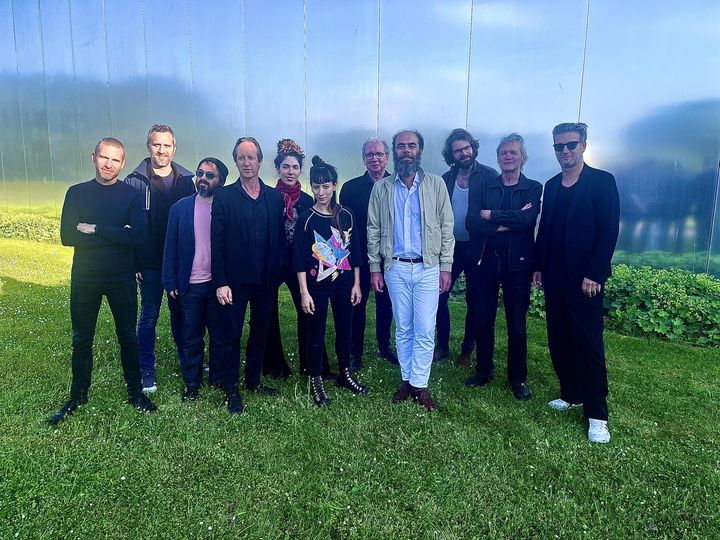
Looking For H'art Songs
Melaine Dalibert upright piano, Barbara Dang upright piano, Lou Renaud-Bailly trimba, percussion, Bertrand Belin vocals, G.W. Sok vocals, Borja Flames vocals, John Greaves vocals, David Sztanke vocals, Olivier Mellano artistic direction, Louis ‘Moondog’ Hardin composition
Under the artistic direction of Olivier Mellano, Looking For H'Art Songs brings together musicians and voices with varying sensibilities, exploring the work of Louis 'Moondog' Hardin and the vocal pieces collected in the 1978 album H’art Songs.

Océan Mémoire
Barbara Dang, Expressive-E-Osmose, Peter Orins, percussions, Christian Pruvost, trumpet, Kasper Toeplitz, composition, electric bass
Musical piece exploring microtonal sounds and a non-octave structure. Notes don’t repeat as usual but form a dense, fluid soundscape. It uses extremely small intervals (1/24 tones), creating subtle pitch shifts and a unique, immersive texture.
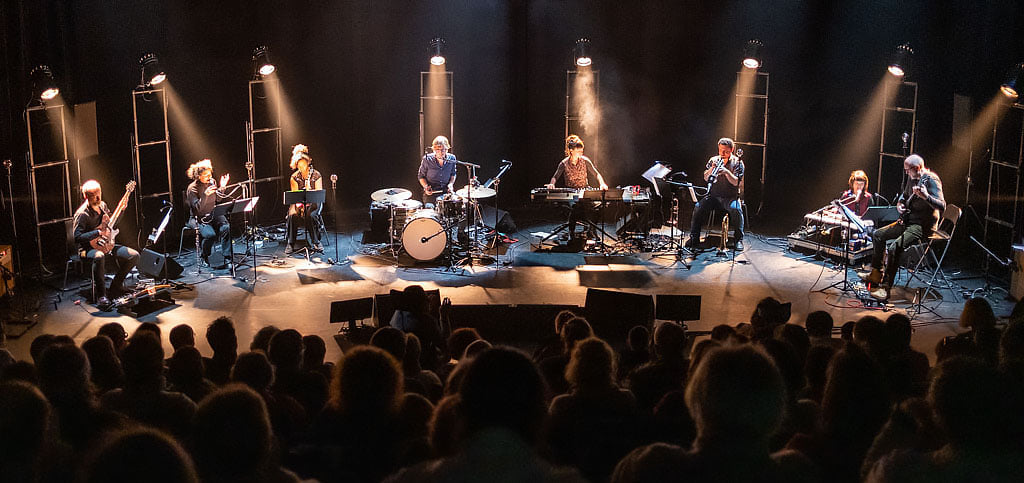
Flumunda
Christian Pruvost Composition, artistic direction - Trumpet, electronics, Sakina Abdou Saxophones, flutes, Sébastien Beaumont Guitar, Ivann Cruz Guitar, Barbara Dang Keyboards, Xuan Mai Dang Vocals, flutes, electronics, Maryline Pruvost Vocals, flutes, Peter Orins Drums, electronics, Alex Noclain Sound projection, Claire Lorthioir Lighting design
As composer-in-residence at Vivat from 2020-22, trumpet player Christian Pruvost created Flumunda, a piece for eight musicians and tape, inspired by sounds recorded during his explorations of the region. Flumunda evokes the river Lys, its changing nature and many faces. In eight movements, the work blends minimalist and tribal music, microtonality, poetic texts by Thomas Suel, and electroacoustic soundscapes, addressing themes such as pollution and our connection to nature..

Le Grand Orchestre de Muzzix
Sakina Abdou, saxophone, David Bausseron, guitar, Falter Bramnk, synthesizer, Samuel Carpentier, trombone, Claude Colpaert, trombones, Pierre Cretel, double bass, Ivann Cruz, guitar, Barbara Dang, piano, Xuân Mai Dang, flutes, objects, Vincent Debaets, baritone saxophone, Raphaël Godeau, guitar, Martin Granger, keyboards, Patrick Guionnet, voice, Christophe Hache, bass, Martin Hackett, flutes, melodica, Frédéric L’Homme, drums, percussion, Jean-Luc Landsweerdt, drums, Philippe Lenglet, guitar, Fred Loisel, guitar, electronics, Nicolas Mahieux, double bass, Yanik Miossec, clarinet, Maxime Morel, tuba, Peter Orins, drums, Stefan Orins, piano, Rosa Parlato, flutes, Christian Pruvost, trumpet, Maryline Pruvost, flutes, voice, Antoine Rousseau, bass, Jean-Baptiste Rubin, alto saxophone, Marjorie Van Halteren, electronics, objects, recordings, voice
In 2013, the collective launched the Grand Orchestre de Muzzix, focused on large-ensemble creation, both improvised and contemporary. With up to thirty musicians, it occasionally invites international composers to perform existing or specially commissioned works. Artistic direction is led by Christian Pruvost, but musical leadership is flexible and collective, varying according to the pieces performed.
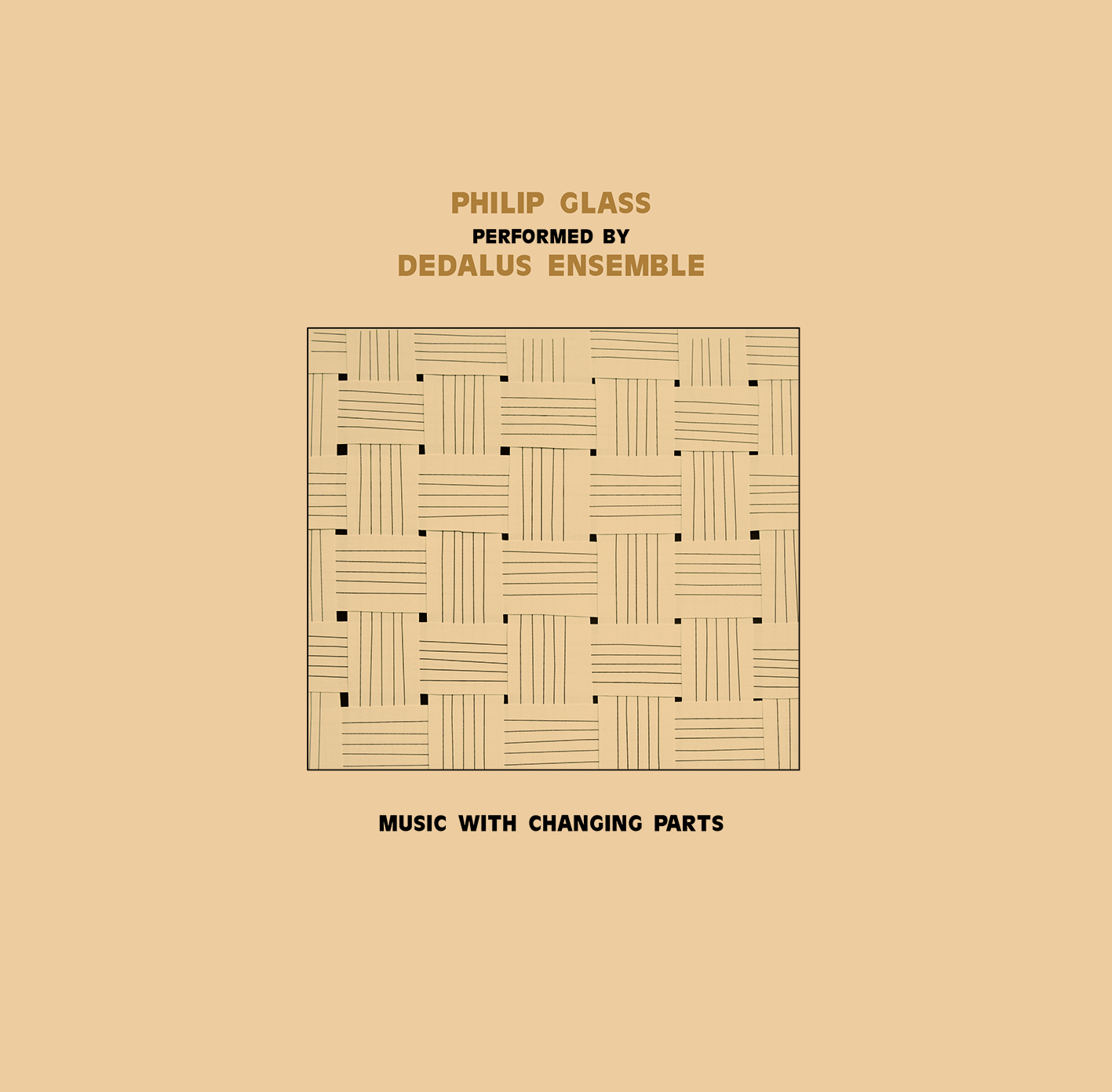
Music With Changing Parts with Dedalus Ensemble
Sakina Abdou, saxophone, Didier Aschour, guitar, direction, Amélie Berson, flute, Denis Chouillet, keyboards, Barbara Dang, keyboards, Stéphane Garin, vibraphone, Alexandra Grimal, voice, Pierre-Stéphane Meugé, saxophone
Composed in 1970, Music with Changing Parts is one of Philip Glass’s most radical minimalist works. Written as an open score, it allows flexibility in instrumentation and duration. Hypnotic and immersive, the piece reveals subtle psychoacoustic phenomena through layered recording processes, where identical notes create shimmering harmonics. This interpretation by Ensemble Dedalus highlights the work’s utopian nature: a music that evolves without moving, transforming itself while strictly following its own rules.
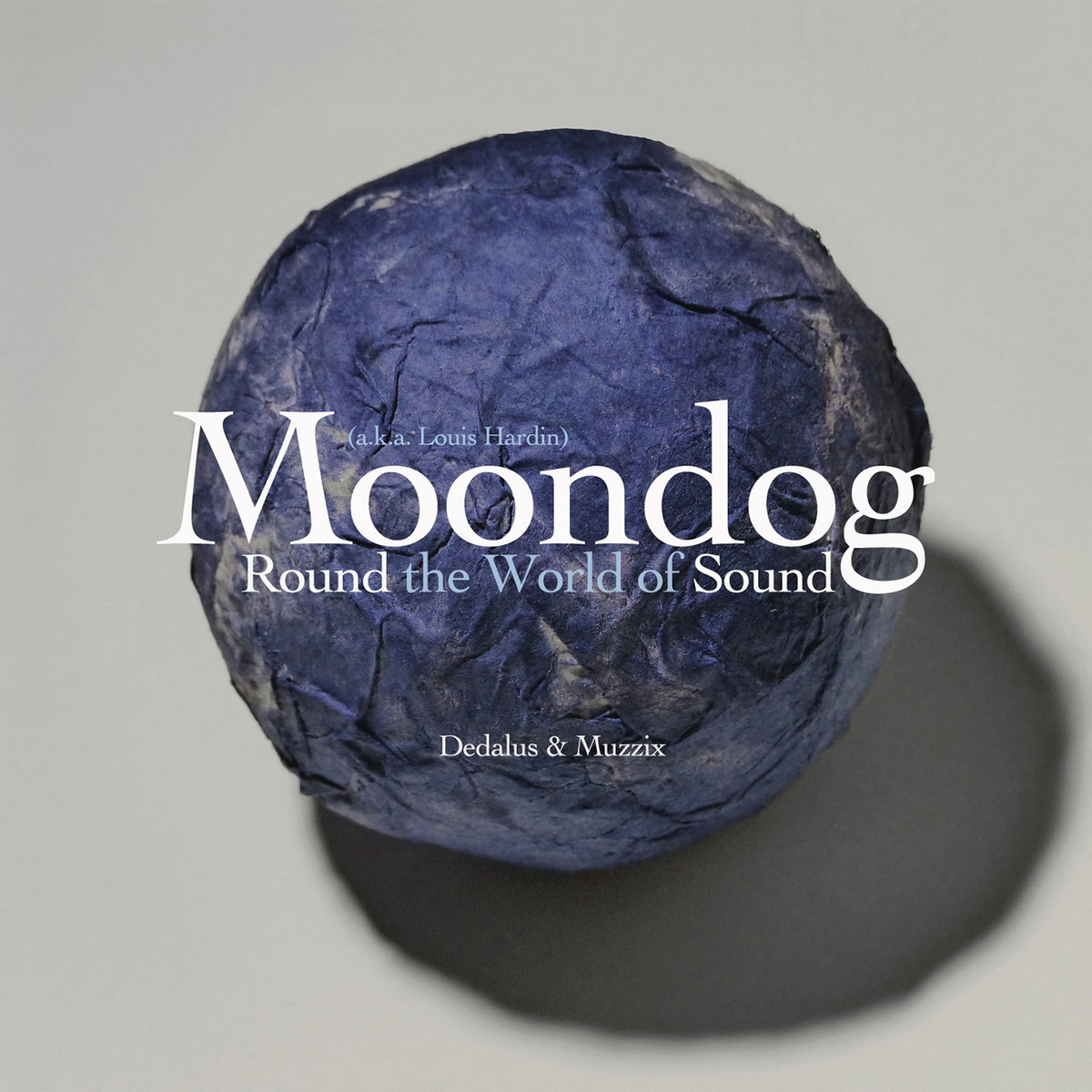
Moondog : Round The World Of Sound with Dedalus Ensemble
Didier Aschour, guitar, artistic director, Christian Pruvost, trumpet, co-director, Stéphane Garin, percussion, glockenspiel, Peter Orins, drums, Vincent Bouchot, voice, Nathalie Duong, voice, Sakina Abdou, alto & baritone saxophones, recorder, spinet, Julien Favreuille, sopranino & tenor saxophones, flute, Denis Chouillet, piano, toy piano, Barbara Dang, spinet, organ, Deborah Walker, cello, Sébastien Beaumont, classical & electric guitars, banjo, Nicolas Mahieux, double bass, Maxime Morel, saxhorn, trombone
This project by Dedalus & Muzzix explores the music of Louis Thomas Hardin, known as Moondog, beyond its legendary figure. Focusing on melodic invention, rhythmic richness, and genre blending, it offers a vibrant, live reinterpretation of the Madrigals. With varied instrumentation and vocal writing, the album—described as “pop chamber music”—traces twenty years of Moondog’s life and compositions, revealing an intimate, poetic, and deeply human musical universe.
Theatre
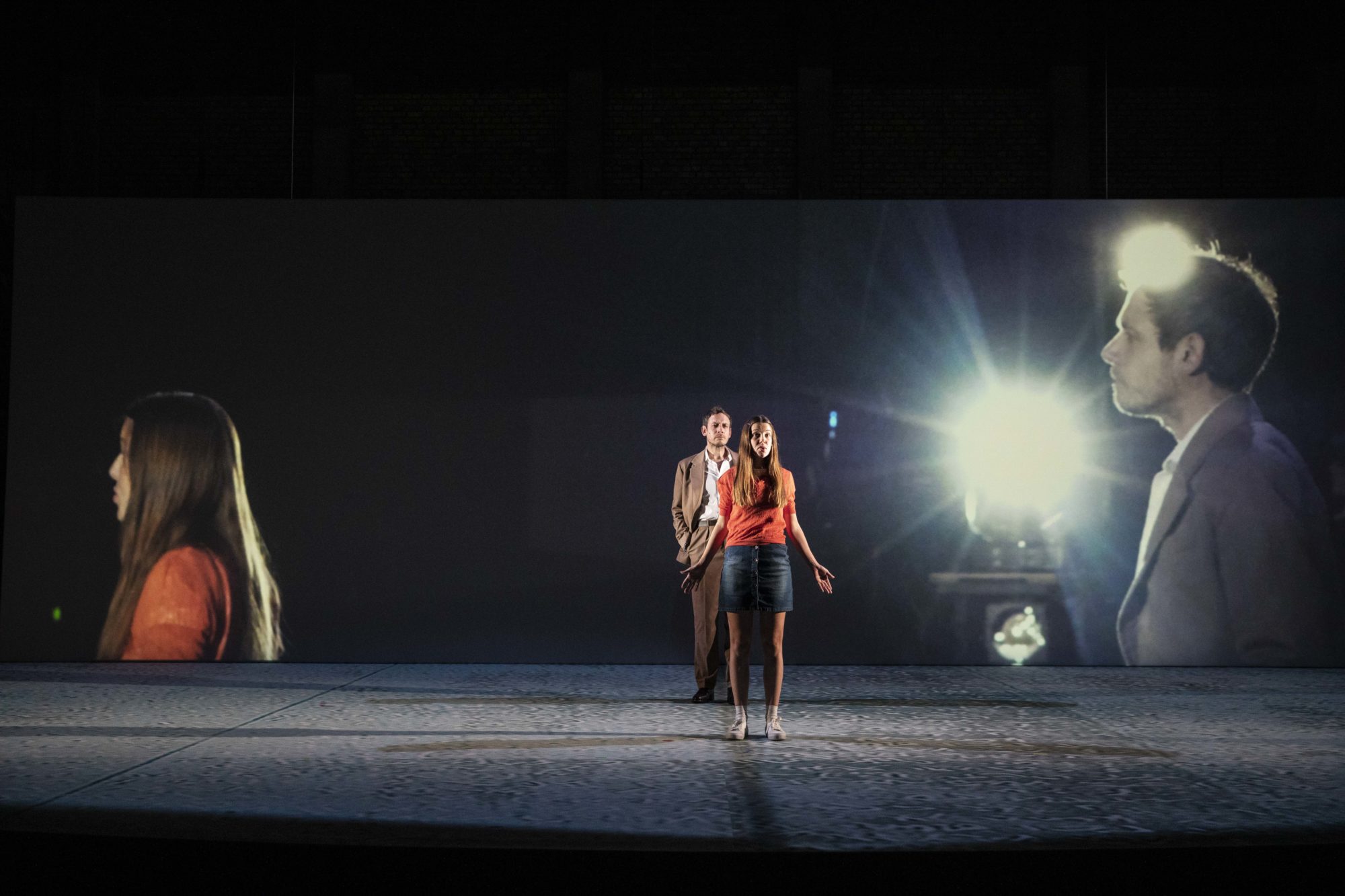
Le Voyage dans l’Est – Christine Angot
Christine Angot, texte, Stanislas Nordey, mise en scène, Claire Ingrid Cottanceau, collaboratrice artistique, Carla Audebaud, Cécile Brune, Claude Duparfait, Pierre-François Garel, Charline Grand, Moanda Daddy Kamono, Julie Moreau, interprètes, Emmanuel Clolus, scénographie, Anaïs Romand, costumes, Stéphanie Daniel, lumière, Jérémie Bernaert, vidéo, Olivier Mellano, musique, Félicien Cottanceau, cadre, Barbara Dang, enregistrement piano.
Christine Angot’s Le Voyage dans l’Est explores memory and intimate violence. Directed by Stanislas Nordey, six actors bring to life Angot’s words: incest, control, consent, shame, and guilt.
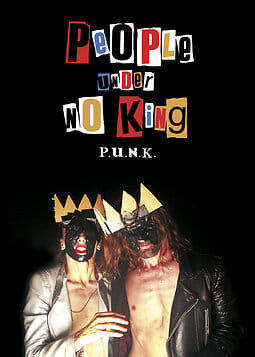
P.U.N.K. : People Under No King - Renaud Cojo
Renaud Cojo, director & stage, Annabelle Chambon, performer, Cédric Charron, performer, Antoine Esmérian-Lesimple, performer, David Chiesa, musical director & bass, Blanche Lafuente, percussion, Barbara Dang, keyboards, Timothée Quost, trumpet, Mathieu Werchowski, violin & viola, Laurent Rojol, images, Éric Blosse, scenography, Florent Blanchon, lights. Produced by Ouvre Le Chien & Ensemble UN, with support from DRAC Nouvelle-Aquitaine, Opéra National de Bordeaux, TNBA, Le Vivat, Lieu Multiple, Théâtre des Quatre Saisons, SACEM, Krakatoa, Salle des Fêtes Bordeaux Grand-Parc.
Ouvre Le Chien, led by Renaud Cojo, explores the intersection of punk, improvisation, and theatre. P.U.N.K. channels punk’s raw energy through live music, movement, and text, creating a visceral performance that revisits the spirit of rebellion while mixing physicality, improvisation, and music in real time.
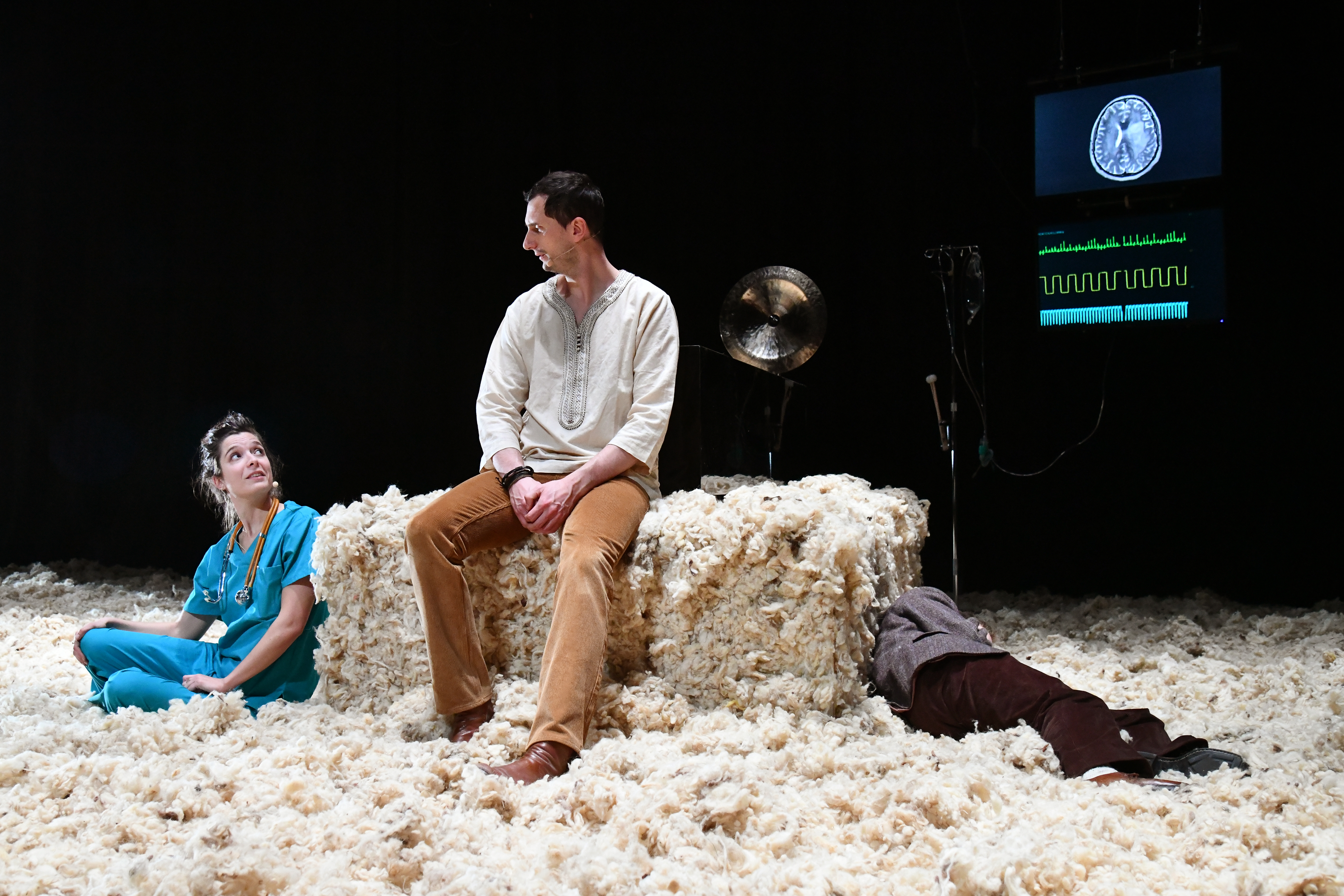
Four For - Halory Goerger
Halory Goerger, conception, text & scenography, Antoine Cegarra, performer (alternating with Joël Maillard, Juliette Chaigneau, Barbara Dang, Halory Goerger), Germain Wasilewski, technical direction & construction, Antoine Villeret, sound & development, Annie Leuridan, light design, Aurélie Noble, costumes, Antoine Proux, Vincent Combaut, Christophe Gregorio, construction, Martin Granger, additional graphic design, vocal & artistic coaching by Jean-Baptiste Veyret-Logeyras, external artistic advice by Elise Simonet and Flore Garcin-Marrou, production administration by Sarah Calvez, production management by Julie Comte / La Magnanerie. Music by Morton Feldman, John Cage, Eliane Radigue, and Cornelius Cardew.
This multimedia theatre installation combines automated piano, raw wool, plexiglass structures, performers, percussion, screens, and original text. The piece explores stasis and metastasis, the place of music in our lives, and spatial and hyper-spatial perception. Set inside the mind of a person simultaneously collapsing and healing, the narrative imagines Morton Feldman on his deathbed in 1986. A therapist enters Feldman’s subconscious through an astral journey, becoming trapped inside a fragile mental landscape where music emerges as a survival tool. The performance features works including Jetsun Mila (Radigue), Palais de Mari (Feldman), Imaginary Landscape No.1, Experiences 1 & 2, and Four 2 (Cage), and Unintended Piano Music (Cardew).